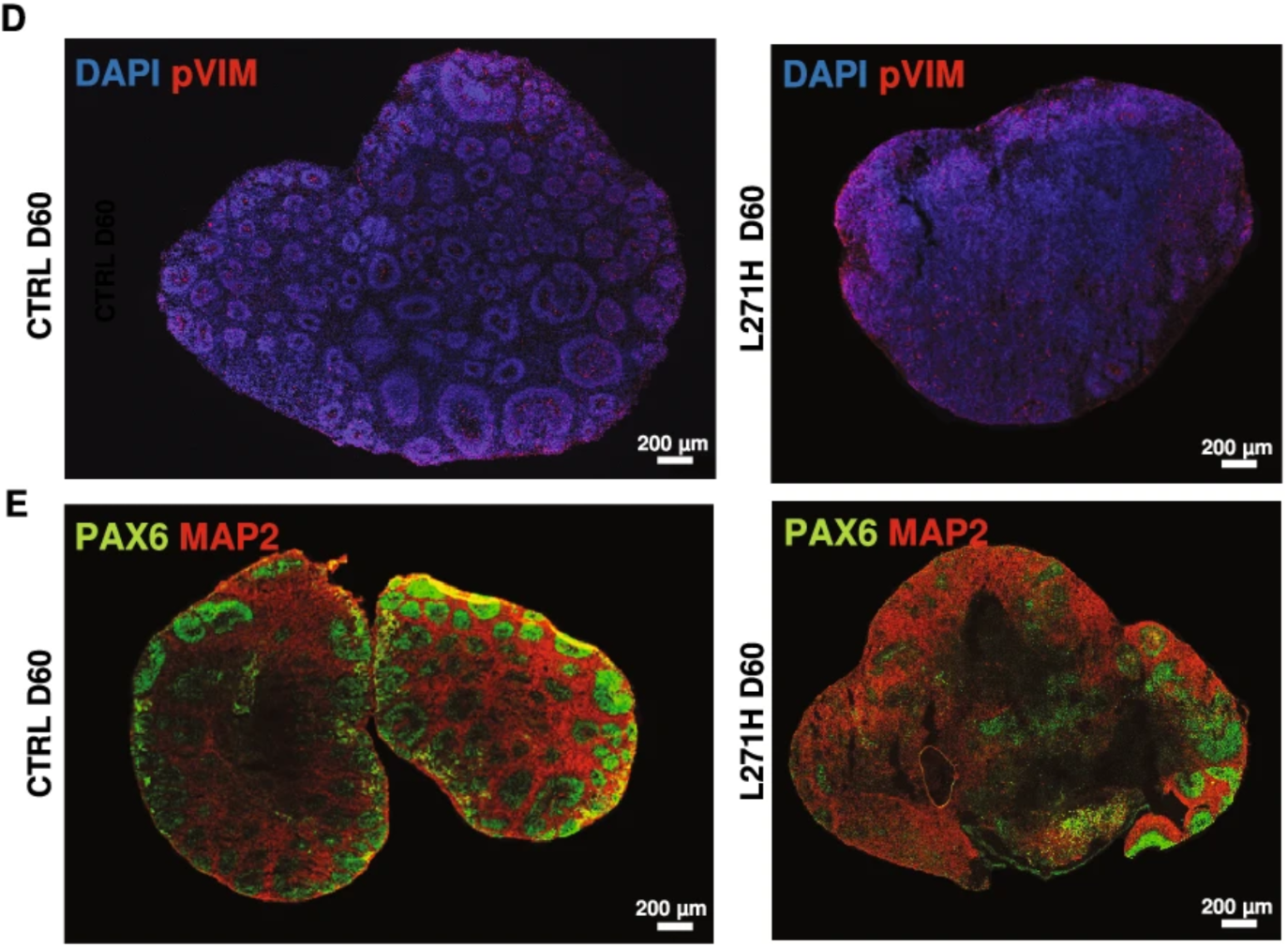
We are proud to share that the results of our collaboration within an FWF-funded project together with the Department of Pharmacology at the University are now published. In this study, Tisch, Geisler et al. present the first functional analysis of a patient-derived human iPSC model carrying a disease-associated CACNA1D variant affecting the Cav1.3 L-type calcium channel. By combining neural progenitor cells, differentiated neurons, and cortical organoids, we show that altered Cav1.3 function disrupts calcium signaling, neuronal excitability, and the structural organization of developing human neural tissue. These changes are accompanied by widespread gene expression alterations linked to neurogenesis and central nervous system development, providing mechanistic insight into how high-risk CACNA1D variants may contribute to neurodevelopmental disorders. The full experimental data and detailed analyses can be found in our recent publication here
In November of 2015, our lab did not have a single laminar flow hood, our office was a storage room, and our team consisted of 4 people. 10 years later, we have a full running lab - also thanks to our lab manager Marta being part of the team since day one. We are successfully working with iPSCs and differentiating them into neurons, cerebral organoids, cardiomyocytes, and hepatocytes; studying from embryonic development to aging; with over 50 publications, 10 full-time members and lots of students. Thank you all very much for making it possible, and for many more years of excellent research at the University of Innsbruck.

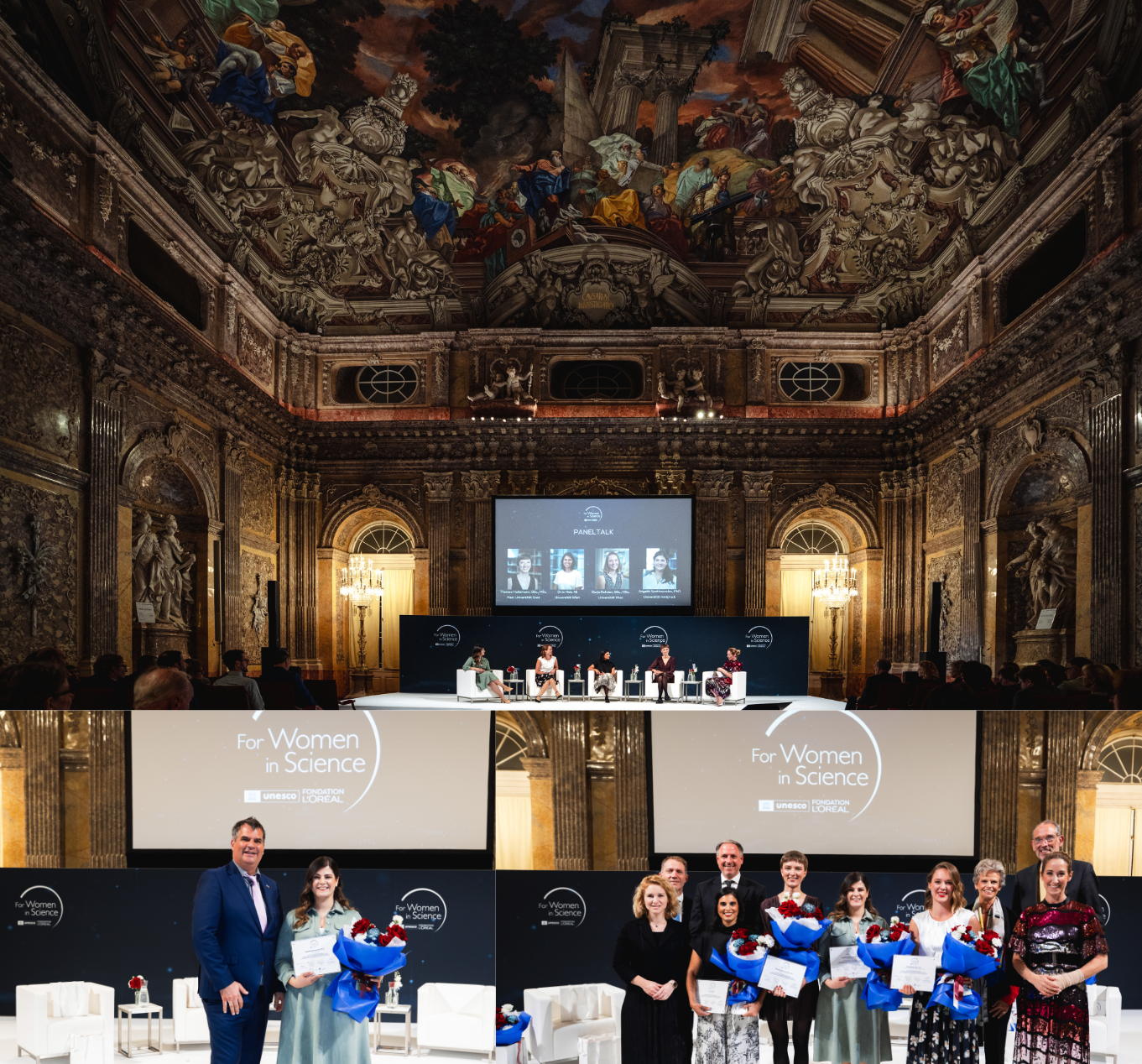
Congratulations to Angeliki for receiving the L’Oréal‑UNESCO For Women in Science (FWIS) Förderpreis at 11th October 2025! Supported by L’Oréal Austria, the Austrian Commission for UNESCO, the Austrian Academy of Sciences (ÖAW), and the Federal Ministry of Education, Science and Research, her research uses patient-derived iPSC models to uncover early molecular mechanisms in schizophrenia — advancing our understanding of neurodevelopmental psychiatric disorders. More information here and here
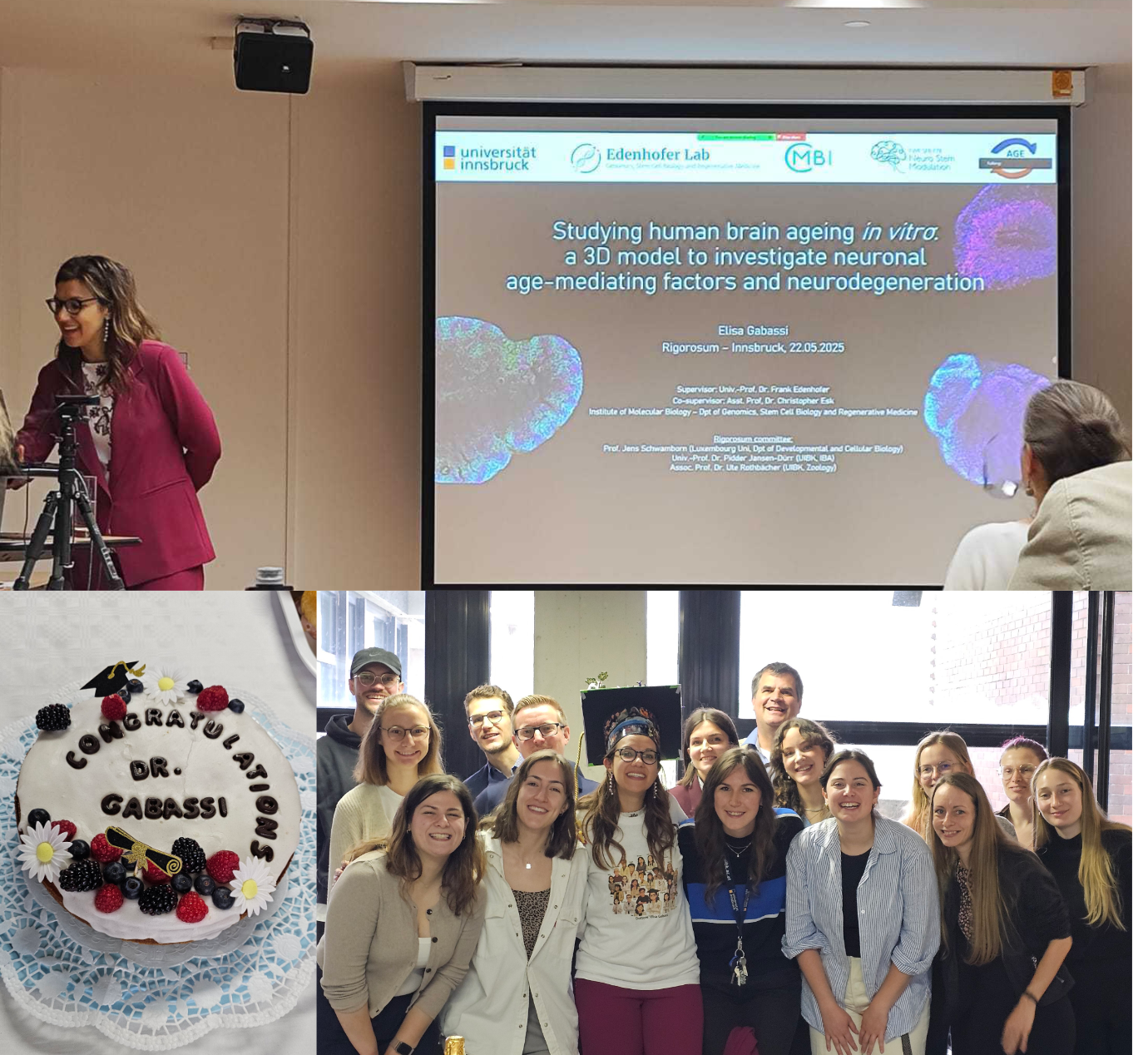
On 22nd May 2025, Elisa defended her PhD thesis with the title "Studying human brain ageing in vitro: a 3D model to investigate neuronal age-associated factors and neurodegeneration". During her PhD, Elisa developed 2D and 3D culture systems to reproduce brain ageing in the dish. With these models, we are identifying and studying the molecular mechanisms of novel age-related genes. Congratulations!
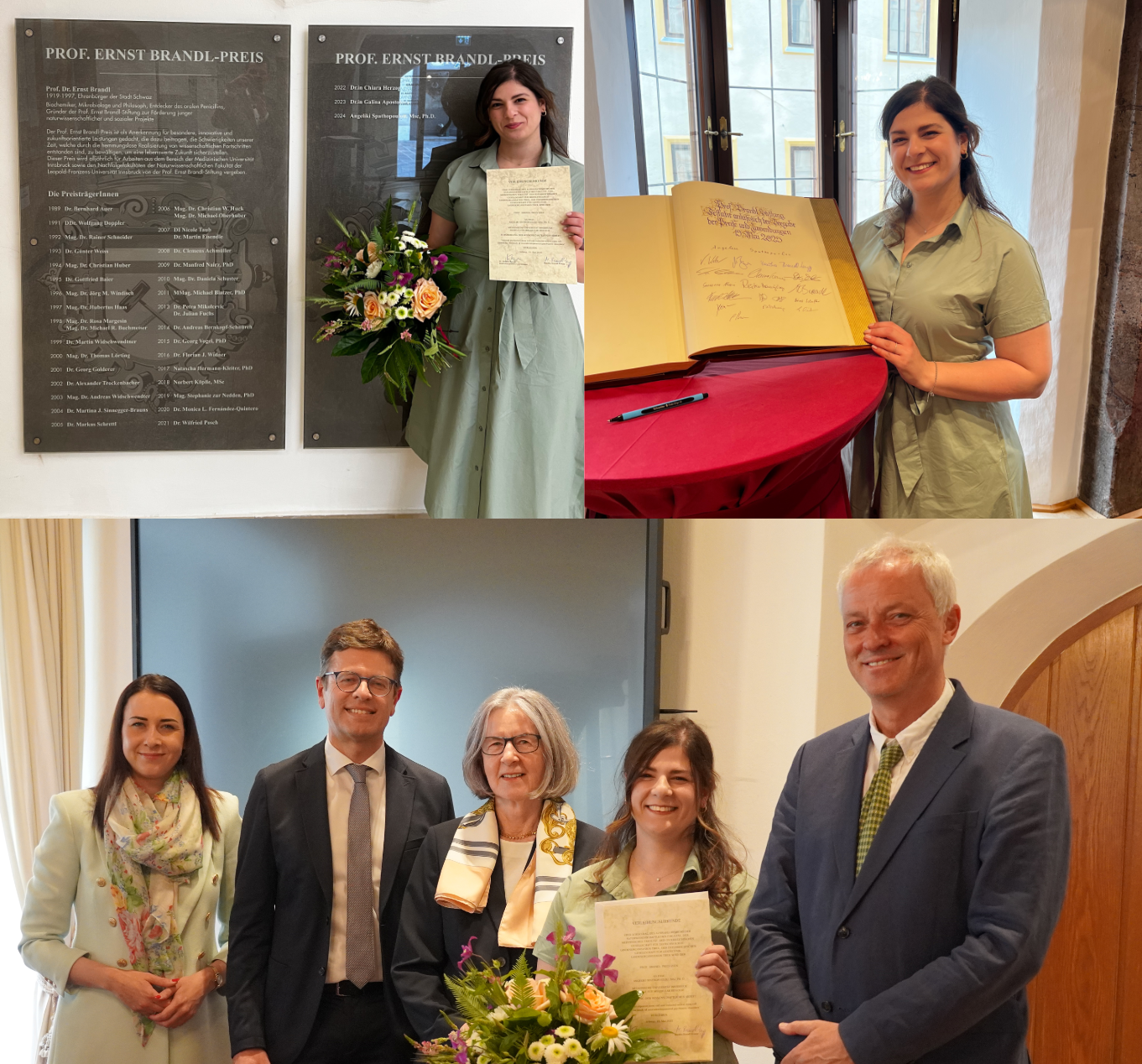
In May 2025, our PostDoc Angeliki received the Prof. Ernst-Brandl Award, a distinction recognizing outstanding scientific achievement and promise in biomedical research. Her award-winning project combined patient-derived iPSC cortical neurons with integrative multi-omics analysis and identified a disruption in GABA biosynthesis — an important insight into early molecular mechanisms in schizophrenia. Congratulations! More information
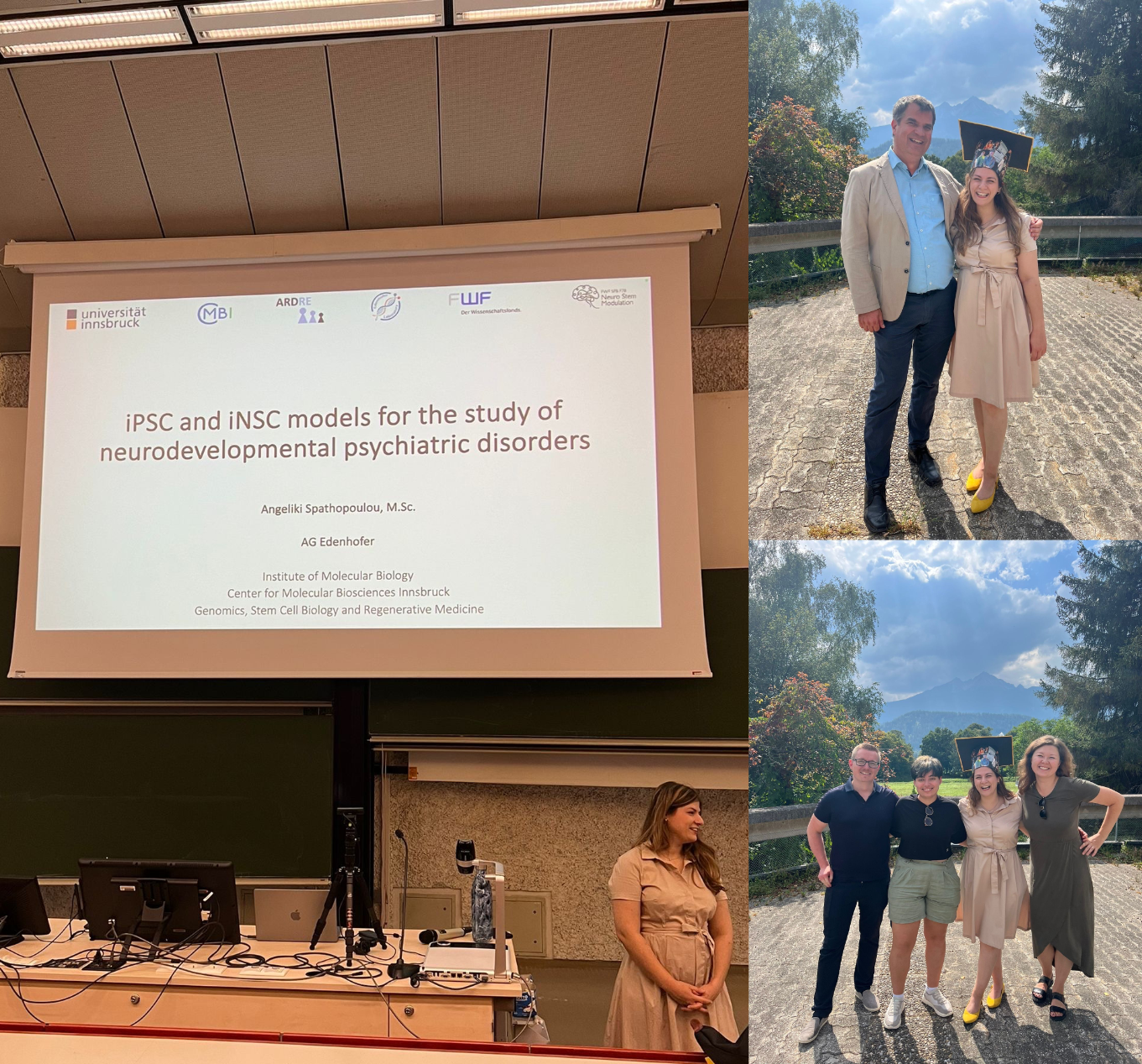
On September 5th, 2024, Angeliki successfully defended her Ph.D. thesis, “iPSC and iNSC Models for the Study of Neurodevelopmental Psychiatric Disorders”. Angeliki's research established 2D and 3D systems using induced pluripotent stem cells (iPSCs) and induced neural stem cells (iNSCs) to investigate the cellular and molecular mechanisms of schizophrenia and bipolar disorder—two major neuropsychiatric conditions. Congratulations to Angeliki on this important achievement.
After four years of work, Marcel defended his PhD thesis "Patient-derived stem cells to study an Autism spectrum disorder associated voltage-gated calcium channel gain-of-function mutation" on 5th of Febuary 2024. Besides investigating an Autism spectrum disorder causing mutation in a gene vital for calcium channels, he characterised early neural progenitor cells originating from human tissue to establish a model to study early neurodevelopment. Congratulations, Marcel!